
"Wugar coffee"
180 article(s) found

Uganda Coffee Bean Flavor Description Grind Scale Variety Taste Manor Treatment Introduction
In order to improve coffee quality and reduce costs, Uganda abolished the exclusive rights of the Coffee Marketing Board (CMB) in November 1990. Most of the work previously undertaken by the Coffee Marketing Committee has now been transferred to cooperative organizations. Privatized coffee plants account for two-thirds of the country's export revenue, so the government imposed a tax on coffee plants.

Ugandan coffee beans with special flavor and taste introduce fine coffee
Ugandan coffee beans have a unique flavor of delicate taste, which is very suitable for making Italian and other flavors of coffee. More importantly, Ugandan coffee beans are strictly screened according to the standards of the international market to ensure their high quality and pollution-free characteristics. Africa is the hometown of two major varieties of coffee, Arabica and Robusta, while the eastern Africa enjoys a plateau water hometown and a pearl of East Africa.

Fragrant Ugandan coffee beans introduce the taste of Robart coffee beans
Ugandan coffee beans have a unique flavor of delicate taste, which is very suitable for making Italian and other flavors of coffee. More importantly, Ugandan coffee beans are strictly screened according to the standards of the international market to ensure their high quality and pollution-free characteristics. Africa is the hometown of two major varieties of coffee, Arabica and Robusta, while the eastern Africa enjoys a plateau water hometown and a pearl of East Africa.

Introduction of Ugandan coffee beans with delicate taste and unique flavor
Ugandan coffee beans have a unique flavor of delicate taste, which is very suitable for making Italian and other flavors of coffee. More importantly, Ugandan coffee beans are strictly screened according to the standards of the international market to ensure their high quality and pollution-free characteristics. Africa is the hometown of two major varieties of coffee, Arabica and Robusta, while the eastern Africa enjoys a plateau water hometown and a pearl of East Africa.

Flavor and taste characteristics of coffee varieties in Uganda introduction of high-quality coffee beans
Uganda is the country of origin of coffee grown in Robusta, but commercial cultivation of Arabica species here did not begin until early 1900. Today, there are still a large number of wild robusta coffee trees in Uganda, which is rare in cities in the world. As a landlocked country, the large coffee cultivation in Uganda is often interplanted, where coffee trees are mixed with food crops and rubber trees.
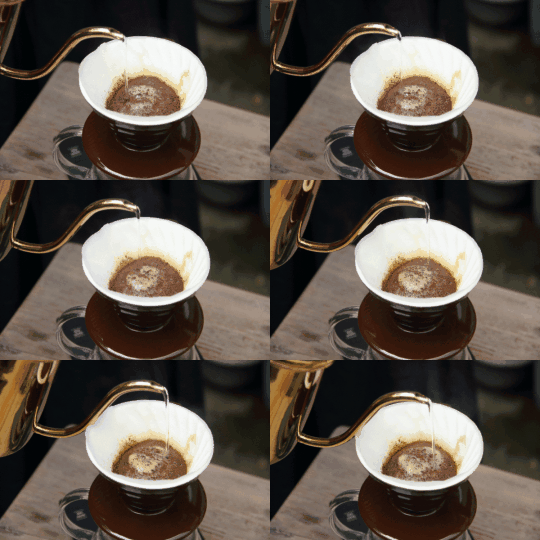
Uganda Coffee Flavor description Taste characteristics Grinding scale Fine Coffee beans
Uganda coffee flavor description, grinding scale, fine coffee beans introduce Uganda's coffee production ranks first in Africa, accounting for more than 70% of its total exports, while Uganda is also the hometown and main producing area of Robes specialty coffee. In the 1960s, Ugandan coffee production remained at 3.5 million bags a year. By the mid-1980s, coffee production had fallen to

Taste of Ugandan Coffee Flavor Manor area introduction to the origin of fine coffee in Uganda
There are many transportation problems, so there are often raw beans with low moisture content and not green appearance. However, Ugandan coffee is not a type of coffee that emphasizes rising aroma, as long as the raw beans are not and turn 100 or yellowed, they can generally have a good flavor in the producing area, with low ripe fruit aromas, such as the taste of red wine, and thick mellow thickness. with some Kenyan beans with low tonality

Ugandan coffee beans with fragrant taste introduce the mountains of Ruwensori in the west
Ugandan coffee beans have a unique flavor of delicate taste, which is very suitable for making Italian and other flavors of coffee. More importantly, Ugandan coffee beans are strictly screened according to the standards of the international market to ensure their high quality and pollution-free characteristics. Africa is the hometown of two major varieties of coffee, Arabica and Robusta, while the eastern Africa enjoys a plateau water hometown and a pearl of East Africa.

An introduction to the flavor of Ugandan coffee with boutique coffee beans
Uganda is the country of origin of coffee grown in Robusta, but commercial cultivation of Arabica species here did not begin until early 1900. Today, there are still a large number of wild robusta coffee trees in Uganda, which is rare in cities in the world. As a landlocked country, the large coffee cultivation in Uganda is often interplanted, where coffee trees are mixed with food crops and rubber trees.

Introduction to the simple and mild grinding scale of Ugandan coffee bean varieties to treat the manor area
Dry aroma (1-5): 3.2 wet aroma (1-5): 3.4 acidity (brightness) (1-10): 8 taste (layering) (1-10): 8.5 taste (alcohol thickness) (1-5): 4 aftertaste (residual) (1-10): 8.1 balance (1-5): 0 basic score (50): 50 total score (maximum 100): 85.2 strength / main attributes: medium strength / high oil content Pristine

Uganda becomes Africa's largest coffee exporter, Uganda coffee bean flavor
For information, please pay attention to coffee workshop (Weixin Official Accounts cafe_style) Uganda is a landlocked country in eastern Africa, straddling the equator. Most of the whole territory is located in the Central African Plateau. There are many lakes, with an average altitude of 10001200 meters. There are many lakes and plateaus in the mountains, so it is known as plateau water town. The western branch of the Great Rift Valley runs through the western border, and there are many rivers and lakes at the bottom of the valley. Uganda has a Victoria lake, plus territory

Simple and mild flavor of Ugandan coffee the characteristics of the manor producing area introduce the fine coffee beans of Uganda
Ugandan coffee beans have a unique flavor of delicate taste, which is very suitable for making Italian and other flavors of coffee. More importantly, Ugandan coffee beans are strictly screened according to the standards of the international market to ensure their high quality and pollution-free characteristics. Africa is the hometown of two major varieties of coffee, Arabica and Robusta, while the eastern Africa enjoys a plateau water hometown and a pearl of East Africa.
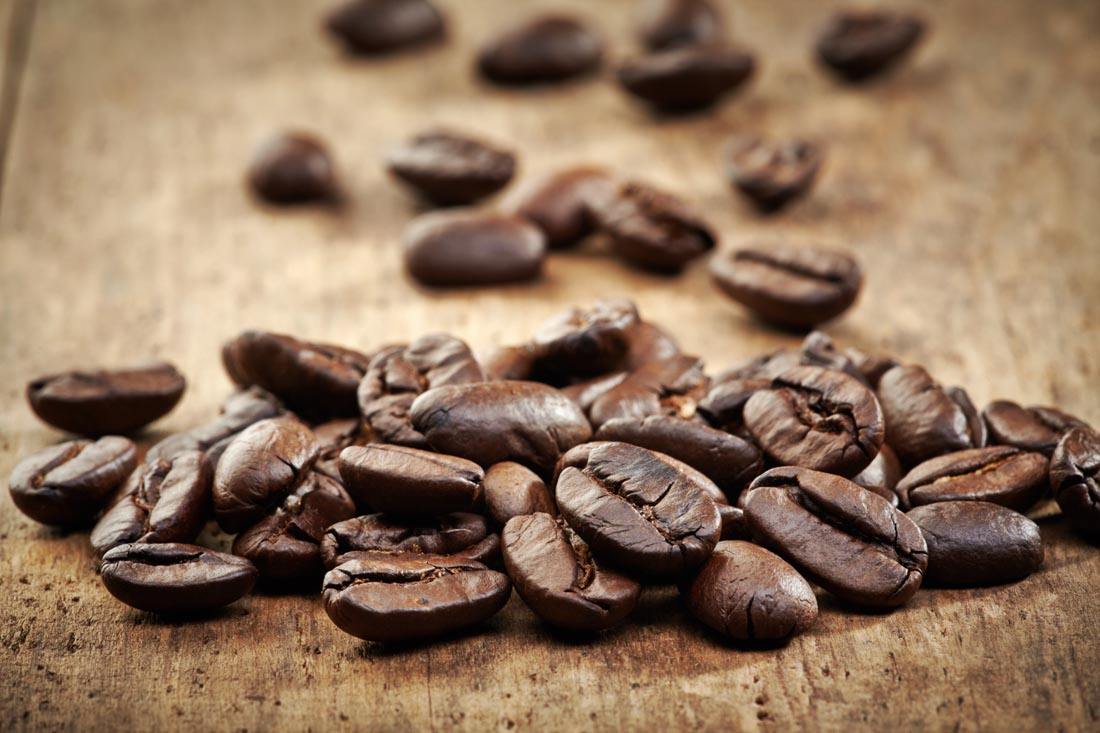
Uganda coffee beans taste, Uganda coffee beans introduction
Following Cafe (official Wechat account vdailycom) found that Beautiful Cafe opened a small shop of its own Uganda is the country of origin of Robusta coffee, but the commercial cultivation of Arabica species here did not begin until early 1900. Today, there are still a large number of wild robusta coffee trees in Uganda, which is rare in cities in the world. After fiber baking of fiber raw beans

Introduction to the characteristics of the treatment methods of grinding degree for describing the flavor of Ugandan coffee
Uganda's coffee production ranks first in Africa, accounting for more than 70% of its total exports. Uganda is also the hometown and main producing area of Robes specialty coffee. In the 1960s, Ugandan coffee production remained at 3.5 million bags a year. By the mid-1980s, coffee production had dropped to 2.5 million bags a year, mainly for political reasons. But now coffee production is on the rise again, which is large at present.

Introduction to the flavor and taste characteristics of Uganda coffee manor with extremely light fragrance
At that time, Java coffee sold to Europe was a very special kind of coffee. At that time, it was shipped to Europe and the United States by sailboat, and the distance was long and the speed was slow, so it took a lot of time to transport. In this case, the coffee seems to have undergone a special fermentation and has a very unique taste. Later, when the ship replaced the sailboat, people drank because the transportation time was shortened.

Description of the Flavor of Ugandan Coffee introduction to the varieties treated in the manor area
Uganda coffee flavor description manor area treatment varieties Uganda's coffee production is among the highest in Africa, accounting for more than 70% of its total exports, while Uganda is also the hometown and main producing area of Robes specialty coffee. In the 1960s, Ugandan coffee production remained at 3.5 million bags a year. By the mid-1980s, coffee production had dropped to an annual rate, mainly for political reasons.

All Ugandan coffee beans are suitable for deep baking. Description of taste and flavor in taste producing area.
Ugandan coffee beans are suitable for deep roasting, taste and flavor description. Ugandan coffee beans have a unique flavor, which is very suitable for making Italian and other flavors of coffee. more importantly, Ugandan coffee beans are strictly screened according to the standards of the international market to ensure their high quality and pollution-free characteristics. Africa is the two main varieties of coffee, Arabica and

Introduction to the characteristics of fine coffee in the producing area of Ugandan coffee flavor
Java, which belongs to Indonesia, is the fourth largest island in the country, and the capital Jakarta is located on the northwest coast of Java. In addition, java is the name of a computer language, and because Java is rich in the famous Java coffee, the computer language takes Java as its name and the steaming Java coffee as its icon. Java coffee

Introduction to the method of flavor description and taste treatment of Ugandan coffee beans produced by grinding scale
People drink relatively fresh coffee beans. But people who are used to drinking Chen beans are not used to the fresh taste, so they desperately pursue old Java coffee, so that the Indonesian government and some businessmen deliberately store fresh beans in warehouses for one or two years and then sell them to consumers. In fact, compared with fresh beans, the acidity of aged Java beans is close to zero, but the flavor is more intense. Because

Flavor description of Ugandan coffee boutique coffee beans introduction to the taste of producing areas
The people of all parts of Uganda resisted the British aggression tenaciously. In 1893, Britain sent troops to occupy the Kingdom of Bunioro, and King Kabarega led some of the people to wage guerrilla warfare for six years. In 1897, King Mwaanga of Buganda raised his army against Britain and later joined Kabarega in the Rango region. In April 1899, the two kings were captured and the uprising failed. To make it easier to rule